Mux Launches Integrated Video Player for React Native Featuring Native SDK Bridging and AI-Powered Video Intelligence


Mux, a leading provider of video infrastructure for developers, has announced the official release of the Mux React Native Player, a comprehensive solution designed to streamline high-performance video delivery across iOS and Android platforms. The new package, identified as @mux/mux-react-native-player, represents a significant architectural shift in cross-platform video development by bridging the gap between native performance and the React Native developer experience. By integrating existing Mux Swift and Android players into a unified React Native wrapper, the company has introduced a toolset that includes an upgraded user interface, built-in Mux Data analytics, and advanced AI capabilities powered by Mux Robots.

The Evolution of Cross-Platform Video Development
The release of the Mux React Native Player arrives at a pivotal moment for the mobile development ecosystem. Since its inception in 2015, React Native has undergone a decade of refinement. While the framework has yet to reach a 1.0 version—currently sitting at version 0.85 as of 2026—it has established itself as a cornerstone for teams seeking to deploy high-quality applications on multiple platforms using a single codebase.
Historically, the industry witnessed a period of skepticism regarding cross-platform frameworks. High-profile departures, such as Airbnb and Udacity’s transition from React Native back to native Swift and Kotlin in the late 2010s, highlighted the challenges of maintaining complex bridges and managing the overhead of parallel infrastructures. However, the emergence of Expo has fundamentally altered this trajectory. Often described as the "Vercel for React Native," Expo has modernized the deployment, build management, and module integration process, making React Native a more viable and "native-feeling" option for enterprise-grade applications.
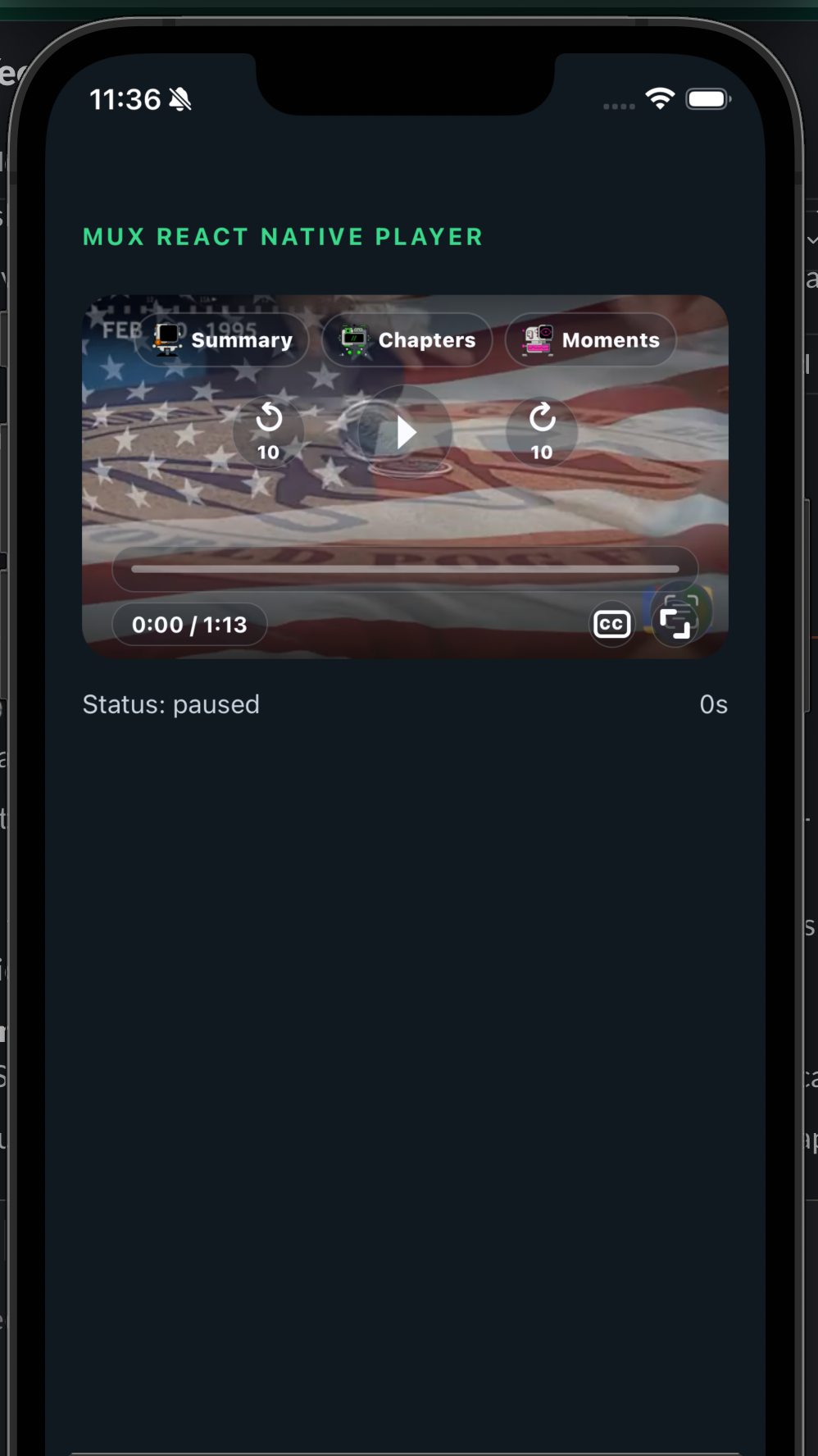
Despite these advancements, high-quality video playback has remained a persistent technical hurdle. Developers have often been forced to choose between the simplicity of cross-platform libraries and the performance of native SDKs. The Mux React Native Player seeks to eliminate this trade-off by utilizing a native bridge architecture that delegates actual playback to the platform-specific Mux SDKs while maintaining a declarative React API.
Technical Architecture and Native Bridging
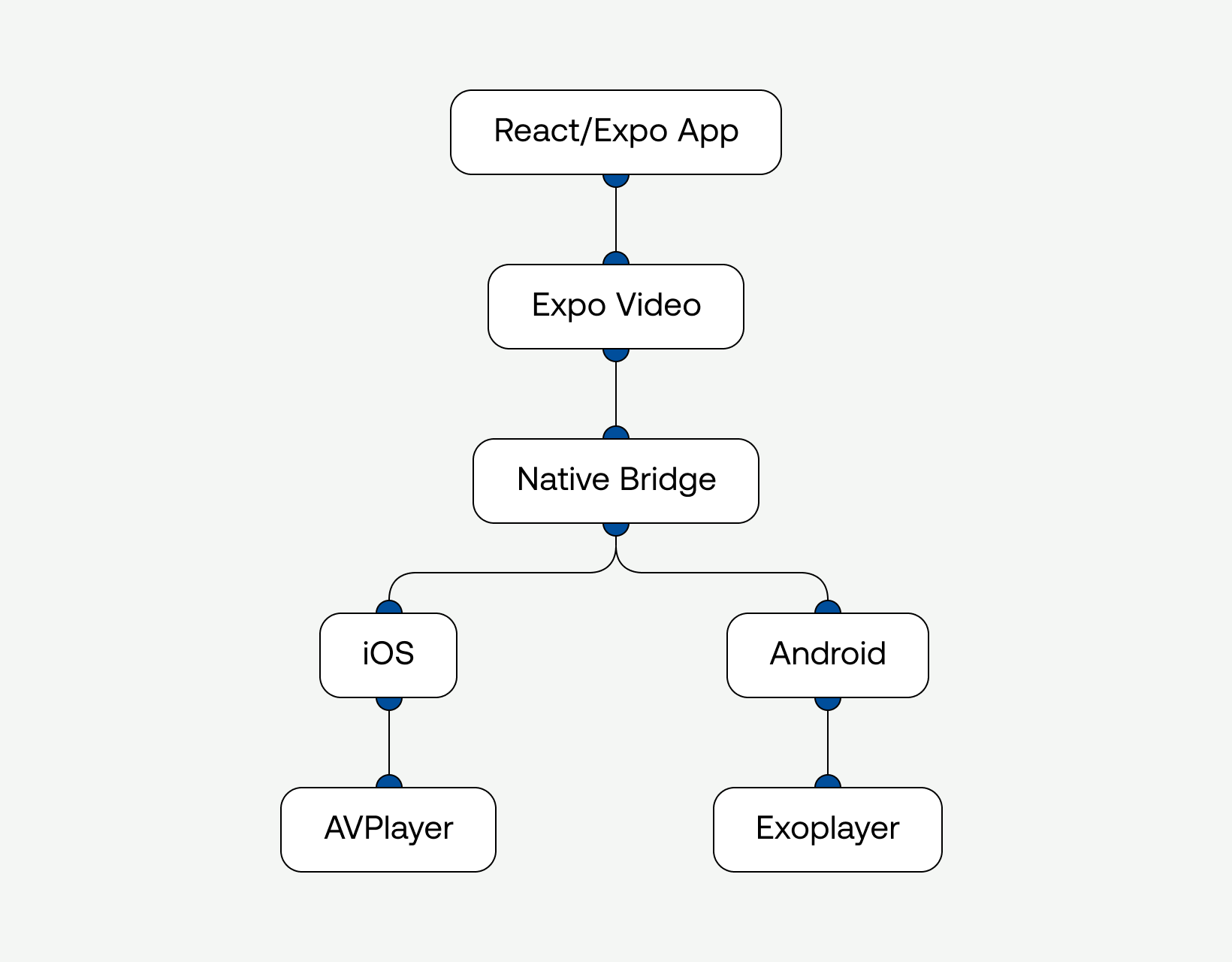
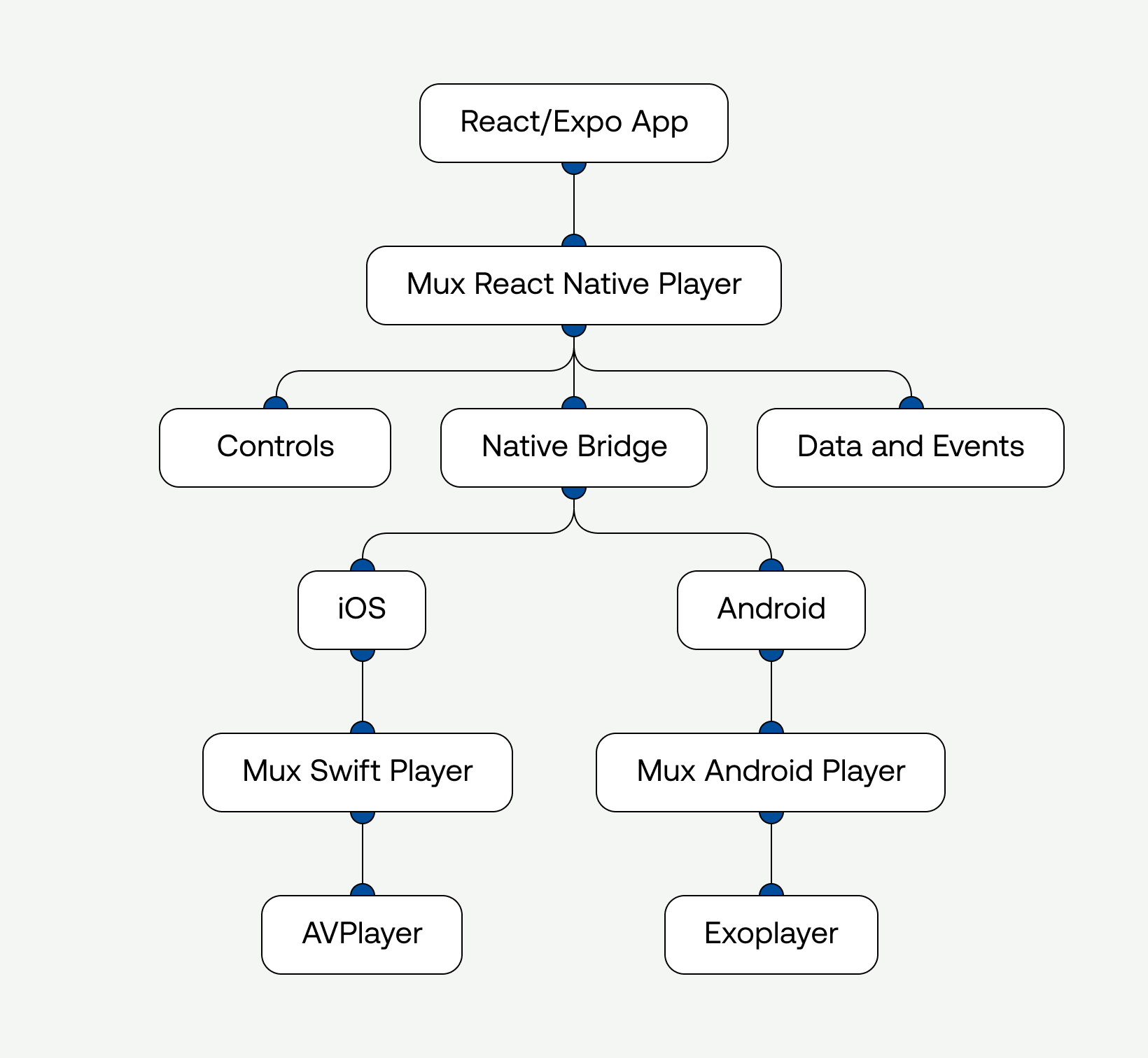
The Mux React Native Player is built upon a three-layer architecture designed to ensure state synchronization and native-level performance. The first layer consists of a TypeScript player state, managed via a specialized MuxVideoPlayer class. This class tracks the source, playback intent, volume, captions, and pending commands. The second layer is the MuxVideoView React wrapper, which subscribes to the player state and forwards properties to the native layer. The final layer comprises the native views—Swift for iOS and Kotlin for Android—which handle the heavy lifting of video decoding and rendering.

This "wrapper" philosophy is similar to the approach taken by expo-video, but it adds layers of specialized functionality that were previously unavailable in a unified package. By bridging to the Mux-native SDKs rather than generic system players, the Mux React Native Player provides first-class support for:
- Signed Playback and DRM: Integrated handling of
playbackTokenfor secure URLs and FairPlay/Widevine protection. - Granular Bandwidth Control: The ability to set minimum and maximum resolutions and define rendition orders directly through the React props, eliminating the need for platform-specific quality-capping code.
- Native Clipping: Support for
assetStartTimeandassetEndTimeparameters, allowing the player to handle video trims at the native level. - Picture-in-Picture (PiP): Full support for PiP mode on both mobile platforms through an integrated Expo plugin.
AI Integration: The Rise of Mux Robots
One of the most distinctive features of the new player is the native integration of Mux Robots, an AI-driven video intelligence suite. This integration allows developers to add sophisticated UI elements for video summarization, chapter generation, and key moment identification with minimal configuration.

As video consumption trends shift toward short-form content and "TikTok-style" feeds, the ability to interact with video through AI has become a competitive necessity. The Mux React Native Player includes a robots prop that enables these features. When active, the player UI automatically displays timeline markers for chapters and highlighted ranges for key moments. Users can skip to specific segments or generate summaries directly within the player interface.
The implementation is designed to be ergonomic for developers. By adding Mux API credentials to the environment variables and defining callbacks for actions like onSummarize or onGenerateChapters, the player handles the communication with the Mux asset library and the subsequent UI rendering. This reduces the development time for "intelligent" video features from weeks of custom implementation to a few lines of configuration.
Data-Driven Performance Monitoring
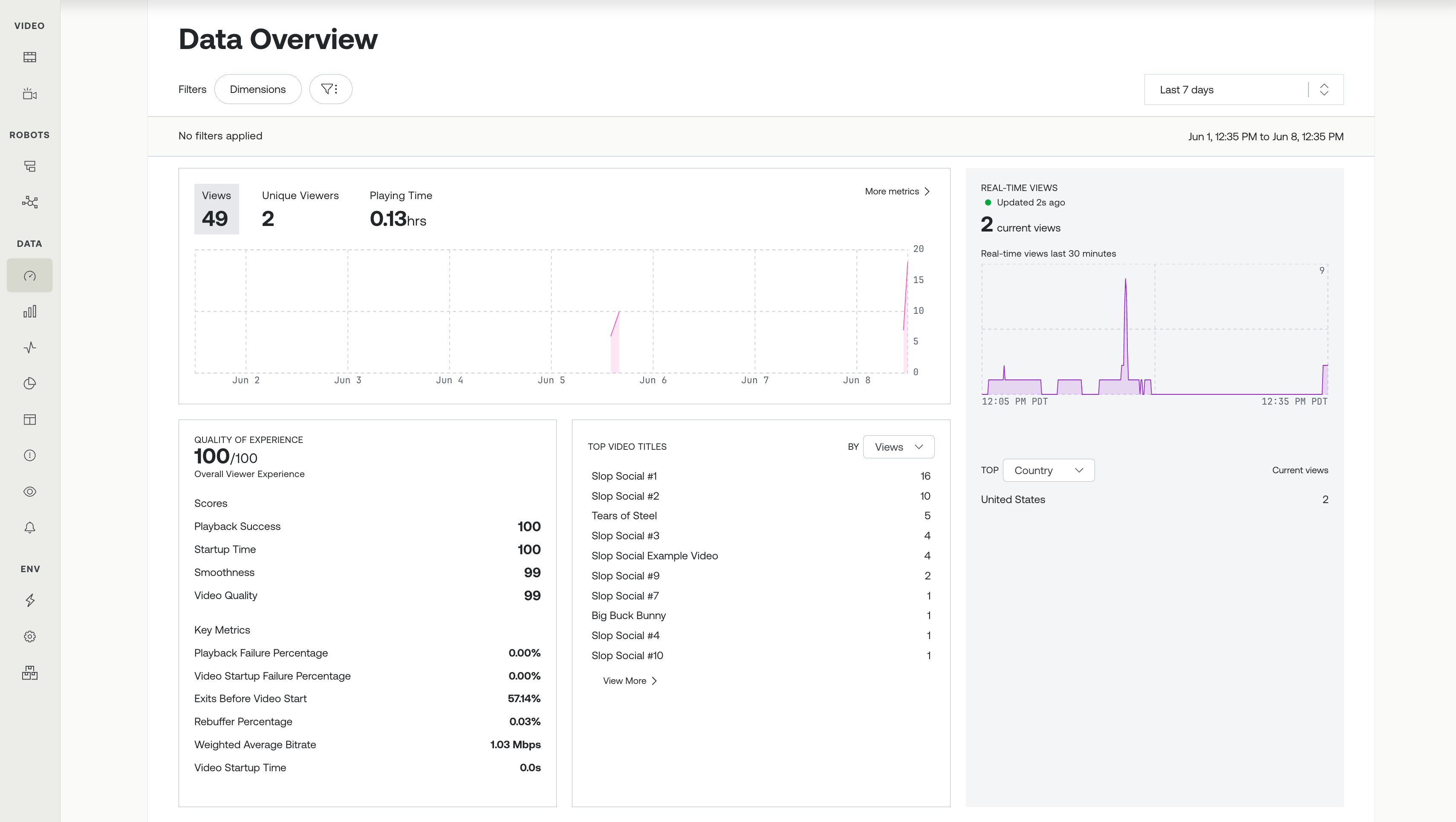
For the first time in the React Native ecosystem, a video player has been released with out-of-the-box support for Mux Data. Prior to this release, developers often struggled to implement consistent analytics across platforms, frequently leading to gaps in performance monitoring.
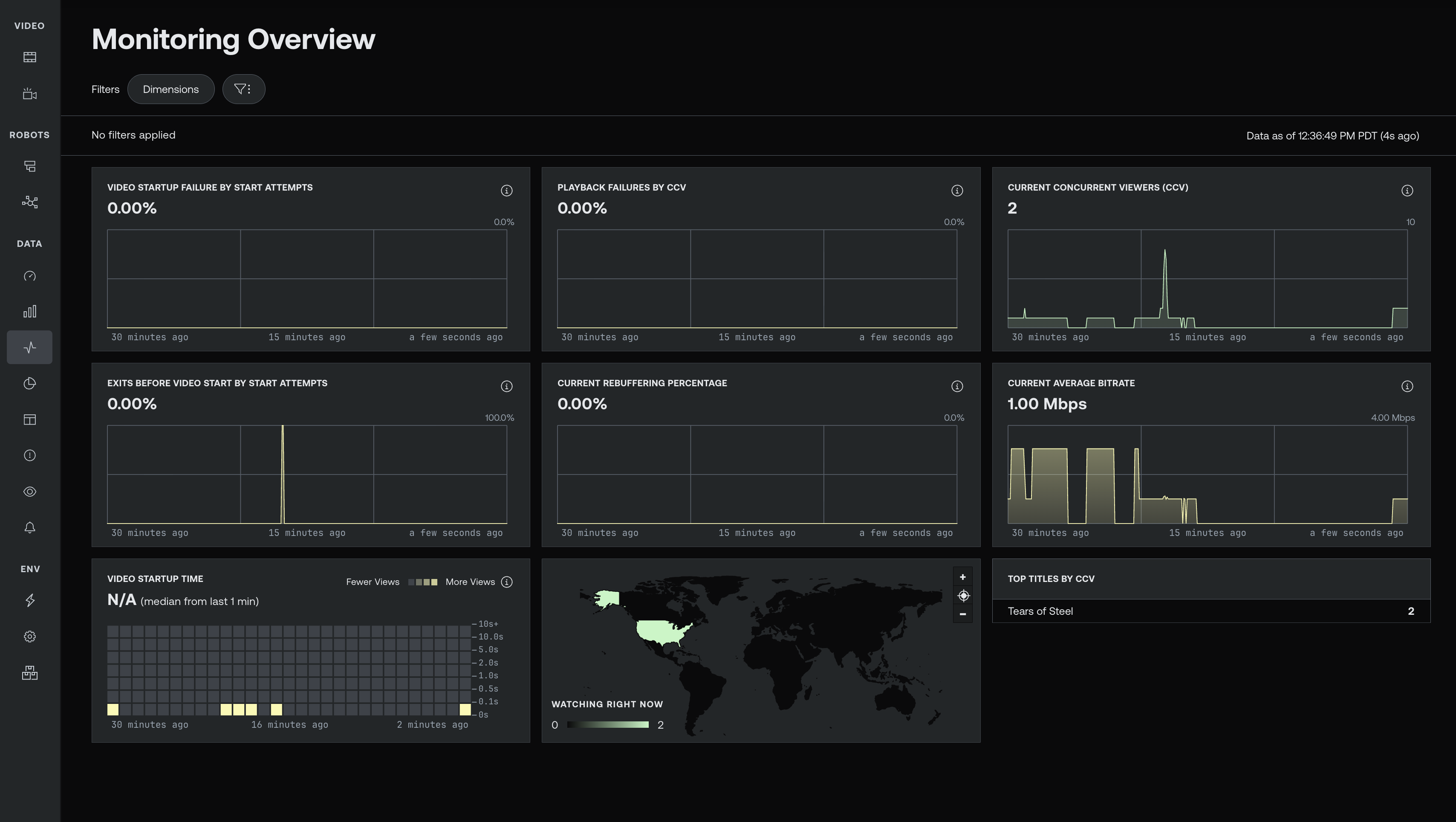
Mux Data integration provides a comprehensive view of the "Quality of Experience" (QoE) for end-users. Metrics such as rebuffer ratios, startup times, and error tracking are automatically piped into the Mux dashboard. This data allows engineering teams to identify geographic-specific playback issues or device-related bugs in real-time. Furthermore, the integration supports the Mux CLI, enabling developers to monitor live metrics directly from their terminal during the testing and deployment phases.

Industry analysts suggest that the inclusion of integrated analytics is a direct response to the growing demand for "observability" in video streaming. As the cost of bandwidth and storage remains a factor for scaling startups, the ability to pinpoint exactly where users are experiencing friction is critical for maintaining retention rates in a crowded app market.
Chronology of Development and Market Context
The path to the Mux React Native Player can be traced back to the broader shifts in mobile development over the last decade:
- 2015: Facebook (now Meta) releases React Native, promising "Learn once, write anywhere."
- 2018: Competitive frameworks like Flutter (using the Dart language) gain popularity, creating a split in the cross-platform community.
- 2019-2021: Major tech firms re-evaluate React Native; the ecosystem matures as Expo becomes the standard for development.
- 2024-2025: Mux releases "Slop Social," a TikTok-style feed example, and "Robotube," an open-source streaming app, signaling an increased focus on mobile video.
- 2026: Mux officially launches the React Native Player, integrating AI (Robots) and Data into the core playback experience.
This timeline reflects a broader industry trend toward "vertical integration" in developer tools. Rather than providing a raw playback component, infrastructure providers are increasingly offering "batteries-included" solutions that handle the UI, the logic, the analytics, and the intelligence layers simultaneously.
Impact on the Developer Ecosystem
The release of the Mux React Native Player is expected to have a significant impact on how media-heavy applications are built. By lowering the barrier to entry for advanced features like DRM and AI-driven navigation, Mux is positioning itself as the primary infrastructure choice for the next generation of social, educational, and enterprise video apps.
Early reactions from the developer community indicate that the "reactive state" model of the player is particularly welcome. The use of useSyncExternalStore to synchronize the native player’s truth with the React UI’s intent solves many of the race conditions that plagued earlier video libraries.
"React Native video playback is deceptively hard," noted the player’s creator in the technical documentation. "A polished player needs to do more than render a stream; it needs native performance and lifecycle-safe controls." By delegating the complexity of AVPlayer and ExoPlayer to the native SDKs while providing a familiar TypeScript API, Mux has addressed a long-standing pain point for mobile engineers.
Conclusion and Future Outlook
The Mux React Native Player represents a significant milestone in the maturation of the React Native framework. It acknowledges that while cross-platform development is the goal, native performance remains the standard. As the industry moves further into the age of AI-augmented media, the ability to deploy "intelligent" video players that are both performant and data-aware will be a defining characteristic of successful mobile platforms.
The package is currently available via npm, and Mux has encouraged developers to explore the open-source repository for further customization. With the inclusion of an example directory featuring various screen orientations and TikTok-style layouts, the company is clearly aiming to capture the market of developers building the next wave of high-engagement video content. As React Native continues its journey toward a 1.0 release, tools like the Mux Player serve as evidence that the framework’s capability to handle high-performance, complex media is no longer in question.